Fake Delivery Text Scams: How to Spot Package Messages
November 17, 2026
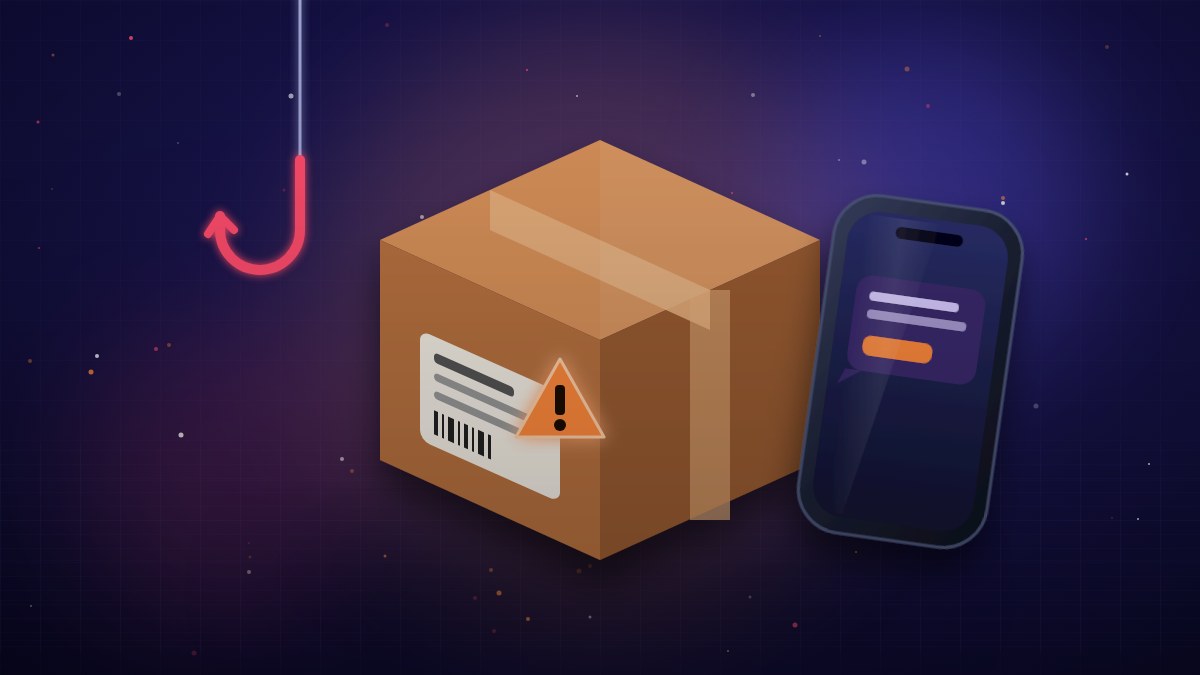
You get a text: your package is stuck at a depot and you need to act right now. Maybe you really are expecting an order, so the doubt creeps in. That is exactly what criminals count on. The fake delivery text scam is one of the most widespread frauds around, and it peaks in November. Online orders surge, deliveries pile up and nobody remembers exactly what is on its way. This guide shows you how to recognize fake messages, check a genuine shipment safely and respond if you have already clicked or paid.
Why November and December Are Scammers’ Peak Season
With sales, gifts and the holidays, almost everyone has at least one parcel on the way in these weeks. Scammers know it. They send messages in bulk without knowing who has actually ordered anything. They only need a few people to fall for it.
That is why the message feels relevant. It arrives at the right moment, mentions a delivery and rushes you. With so many shipments in progress, your guard drops.
If you have been shopping the deals, also read our guide to Black Friday scams: the two problems are closely linked.
The Most Common Forms of the Package Delivery Scam
The script is always the same, but the channel changes. Here are the versions going around most.
- “Package on hold” texts: they say your parcel is stuck and you must reschedule delivery through a link.
- “Incomplete address” texts: they claim a detail is missing and you must update it immediately, or the package goes back to the sender.
- Small fees to pay: they ask for $1.99 (or £1.99) or a similar amount for shipping, redelivery or customs clearance.
- Emails with links: polished design, official tone, a button to press. Behind it sits a fake page.
- Fake phone calls: a recorded voice or a bogus agent talks about a parcel and asks you to confirm details or key in a code.
- Paper notices: a note left in your mailbox or on your door, with a QR code or a number to call.
- Fake customs messages: they say your package is held and you must pay taxes or duties to release it.
The same messages can also reach you on WhatsApp, Facebook or Instagram, often from unknown accounts or from friends’ profiles that have been hacked.
How to Recognize a Fake Courier Message
No single sign is enough on its own. But the more of them you find, the more suspicious the message. Check these points.
- The sender. A random mobile number, or an odd email address or one with misspellings in the name, is a red flag. Even a sender name that looks right is no guarantee: it can be spoofed.
- The link. Be wary of shortened links and addresses with unusual domains, hyphens, extra words or strange endings. An official site will not send you to a made-up address.
- The urgency. “Within 24 hours,” “final notice,” “your parcel will be returned.” The rush is meant to stop you thinking.
- Generic wording. There is no name, no tracking number and no seller name. Often there are grammar mistakes or strange phrasing.
- A tiny payment request. A few cents or a couple of dollars or pounds seems harmless. But the cost is not the point.
Why They Only Ask for $1.99
The small amount is bait. Nobody thinks twice about so little. But the payment page is fake and the real goal is something else: collecting your full card details.
Card number, expiry date and security code end up in criminals’ hands. They often also ask you to approve the transaction with a code sent by text or through your banking app. In reality that approval lets them make far bigger purchases or empty your account.
Remember one simple rule: never share codes received by text or generated by your banking app. Not even with someone claiming to be an agent. If you are asked, it is a scam.
Scammers are evolving too, using ever more sophisticated tools. To see how, read our guide to AI-powered scams: fake messages and voices are getting more and more convincing.
How to Check a Genuine Shipment
If you have any doubt, do not reply to the message and do not touch the link. Do this instead.
- Check whether you are expecting anything. Look back over your recent orders and the store’s confirmation emails.
- Find the tracking number. The seller gives it to you at purchase or dispatch, in your orders area.
- Open the carrier’s official website or app yourself. Type the address into your browser by hand, or use the app downloaded from the official app store. Do not go through the message.
- Enter the tracking code and look at the real status.
- If you find nothing, contact the seller through their official page.
A genuine carrier will not normally ask you to pay small sums through a link sent by message. If there are extra costs, you can still verify them in the official tracking or with the seller.
What to Do If You Clicked or Paid
Do not panic. Acting fast greatly limits the damage. Follow these steps in order.
If You Only Clicked the Link
- Close the page without entering anything.
- Do not download or install any files or apps it offers.
- Check your phone: unknown apps, unusual slowdowns, messages sent that you did not write.
- If something looks off, run a scan with a reliable antivirus and, in doubtful cases, factory reset the phone.
If You Entered Your Details or Paid
- Freeze your card right away from your banking app or by calling the official number on the back of the card.
- Contact your bank and dispute the unauthorized transactions. Ask for a replacement card.
- Change your passwords for online banking, email and important accounts, if you entered them or reuse the same one everywhere. Turn on two-step verification.
- Monitor transactions and alerts over the following days.
- Keep the evidence: screenshots of the message, the link and the page, receipts and the sender’s number.
- Report what happened: in the US, to the FTC at reportfraud.ftc.gov; in the UK, to Action Fraud (actionfraud.police.uk); and to your local police. Attach the evidence you gathered.
Then block and report the number or profile that contacted you, directly from the app you use.
Habits That Protect You All Year Round
- Never click links in messages about parcels, even if they look plausible.
- Keep a list of your current orders handy, so you instantly spot unexpected ones.
- Use a prepaid or virtual card with a low balance for online purchases.
- Turn on spending alerts in your banking app.
- Distrust QR codes on paper notices: check the official website first.
- Warn family members and older relatives: they are among scammers’ favorite targets.
- Keep your phone and apps up to date.
Frequently Asked Questions
If the message includes my name and address, is it genuine?
Not necessarily. Criminals may hold data stolen on other occasions. Always verify the shipment on the official website or app, never through the link you received.
Does replying “STOP” to the message help?
No, it is best not to reply at all. A reply confirms your number is active and can bring more attempts. Block the sender and delete the message.
Can I get my money back if I paid?
Often yes, if you act quickly. Contact your bank right away, dispute the transaction and bring your evidence. There is no guarantee, though, which is why speed is decisive.
The Bottom Line
The fake courier relies on haste and distraction. If you receive a message about a parcel, stop, do not click and check for yourself using the tracking from your purchase on the official website or app. Never enter card details or confirmation codes for a tiny amount. If you have fallen for it, freeze your card, alert your bank, change your passwords and report everything. Better a late package than an emptied account.